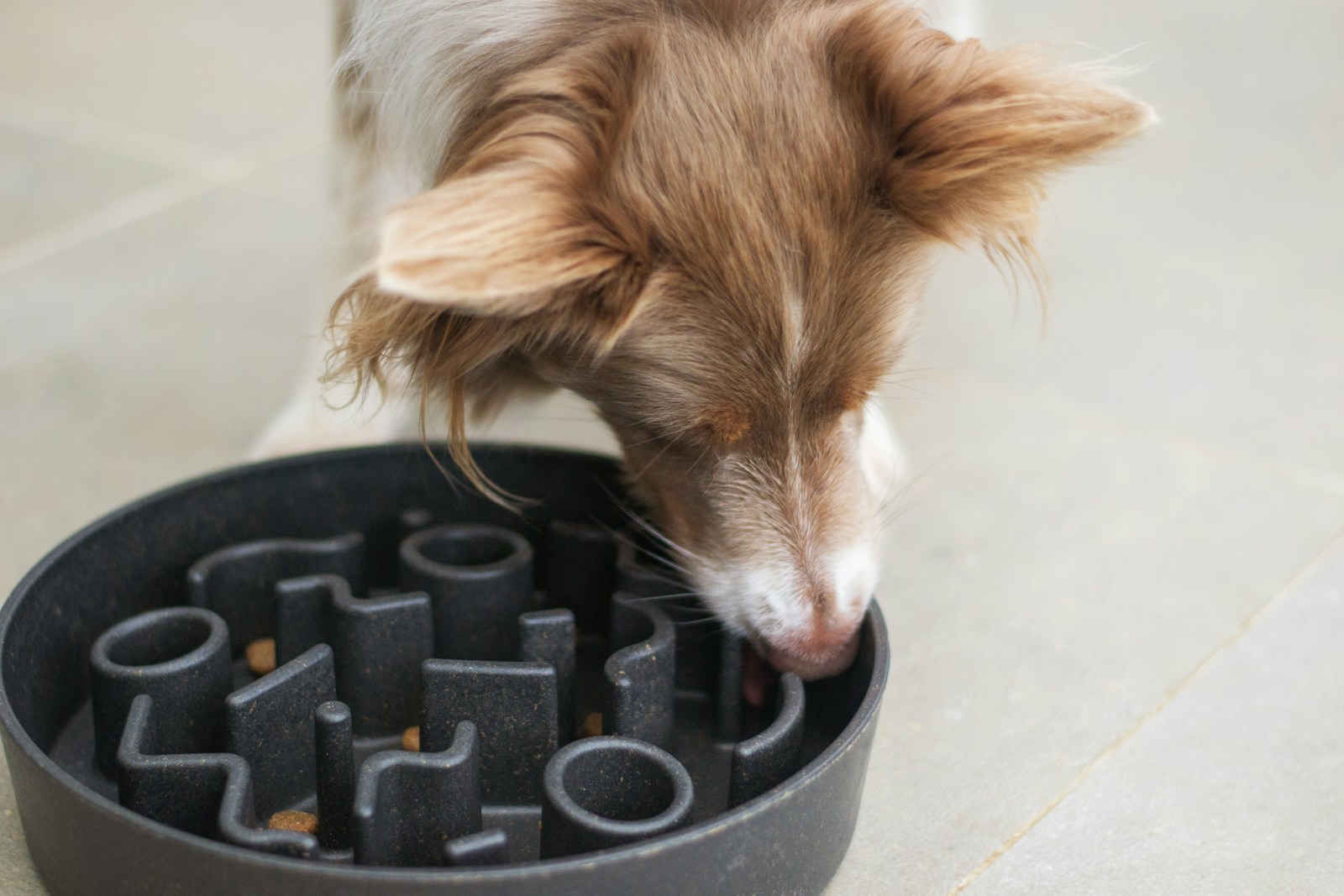
Some pets finish a meal in seconds. A slow feeder bowl or a puzzle feeder stretches out eating time and adds some mental exercise. If your pet gags, vomits after meals or seems to gulp food, speak to your veterinarian first.
Slow feeder bowls
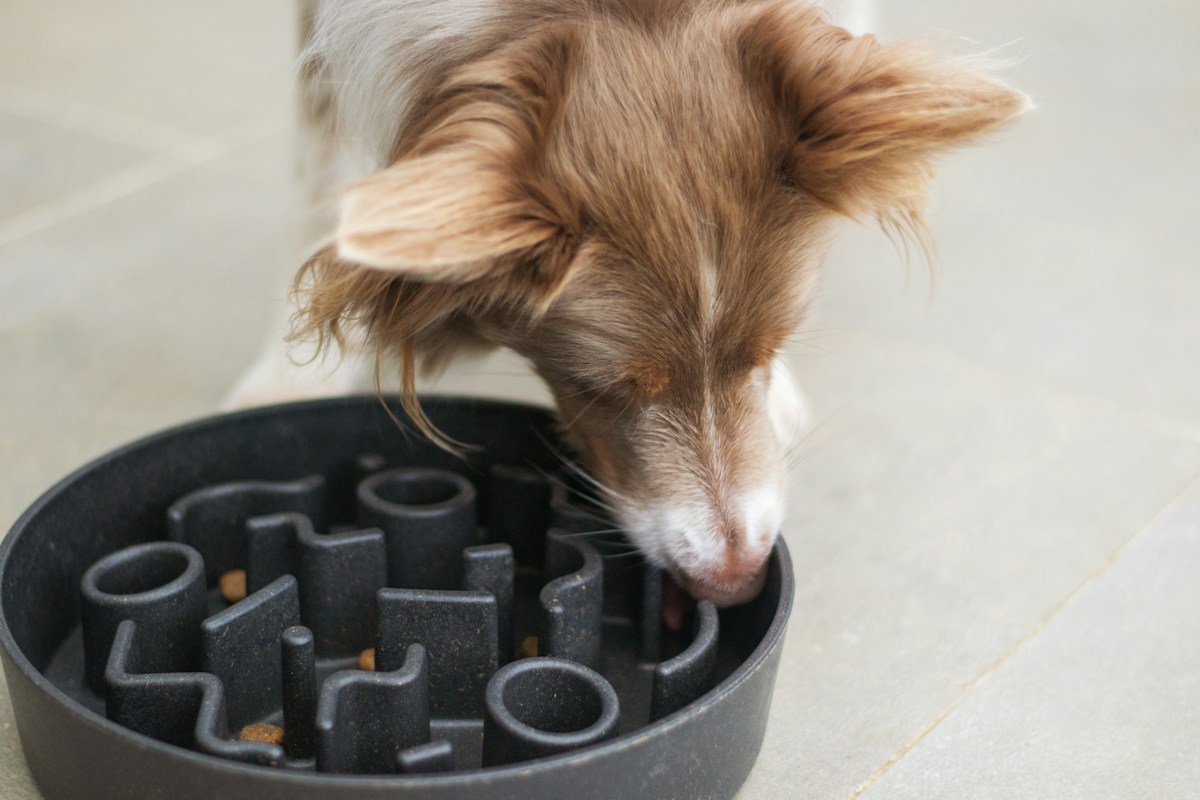
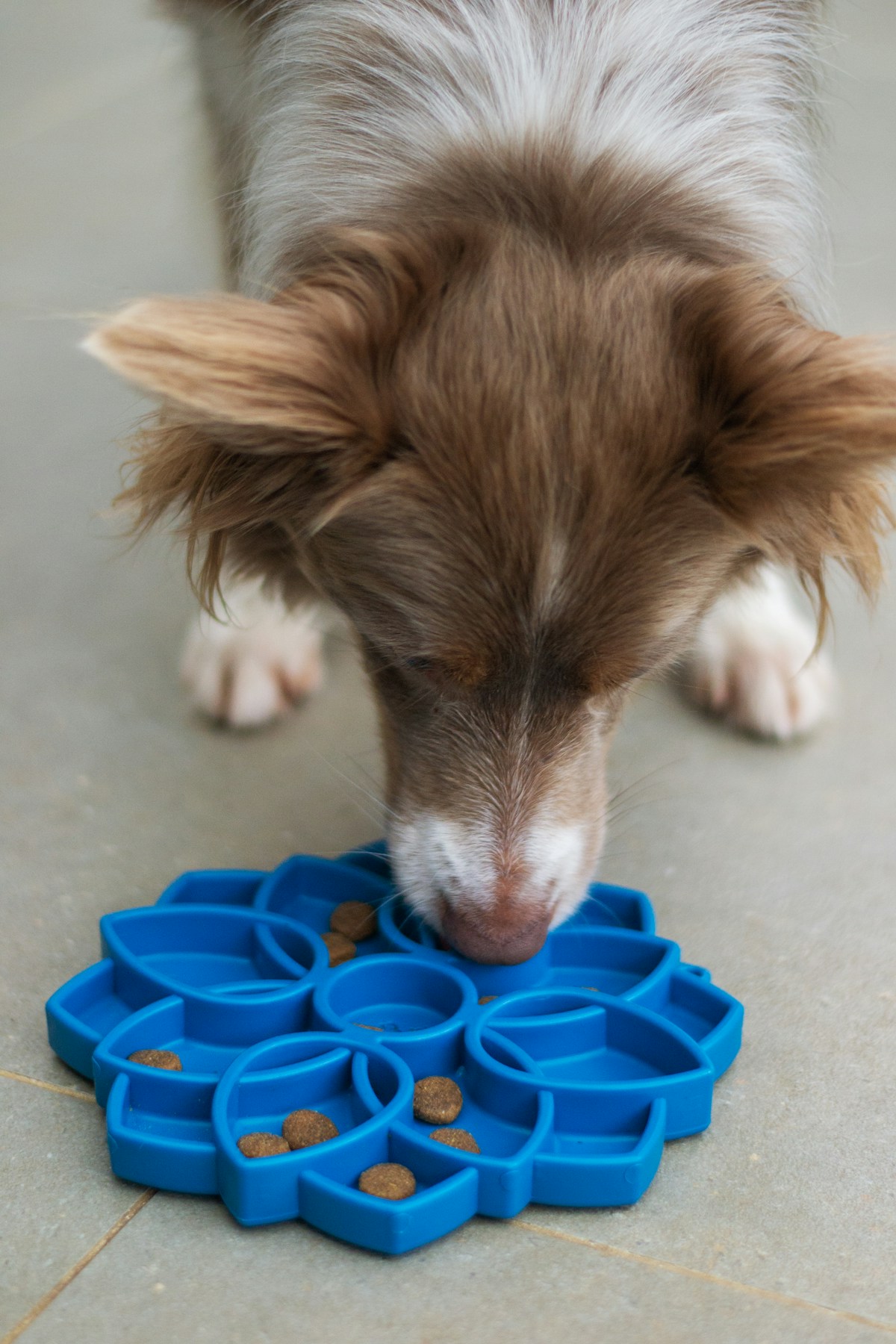
These bowls have ridges, mazes or obstacles in the base, so the pet has to work around them to reach the food. They are simple, and you use them just like a normal bowl. Pick a pattern that matches your pet's size. Very complex designs may frustrate some pets, so start with a simple one.
Puzzle feeders
Puzzle feeders hide food behind sliders, lids or compartments. They add a mental challenge, and suit bored or energetic pets. Start with the easiest level.
Lick mats
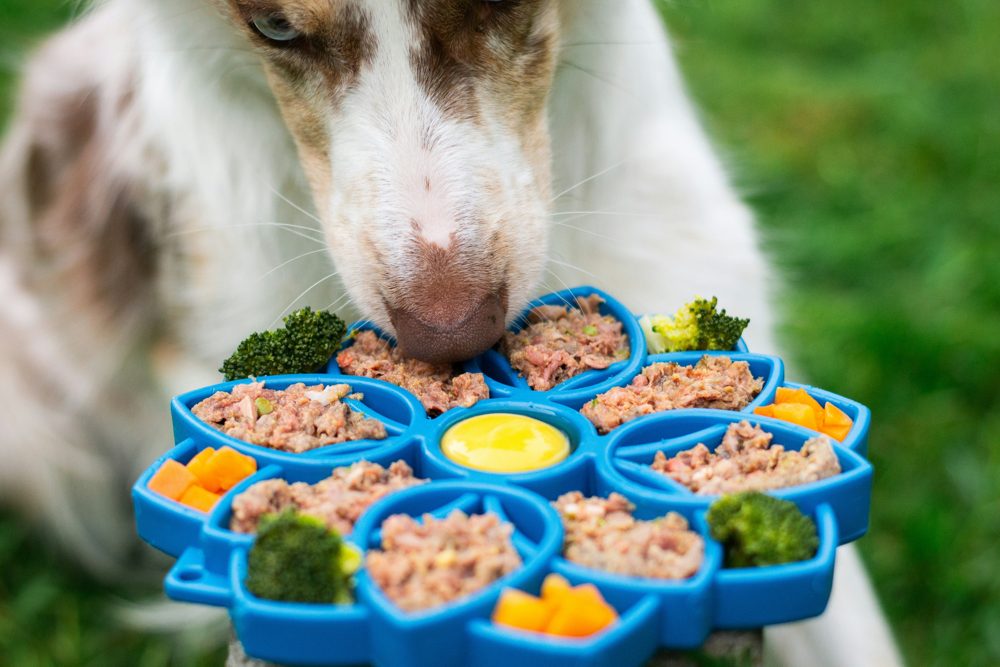
A lick mat is a textured surface spread with wet food or a soft spread. Licking is a calming activity for many dogs and cats. Freeze it for a longer-lasting treat.
Treat balls
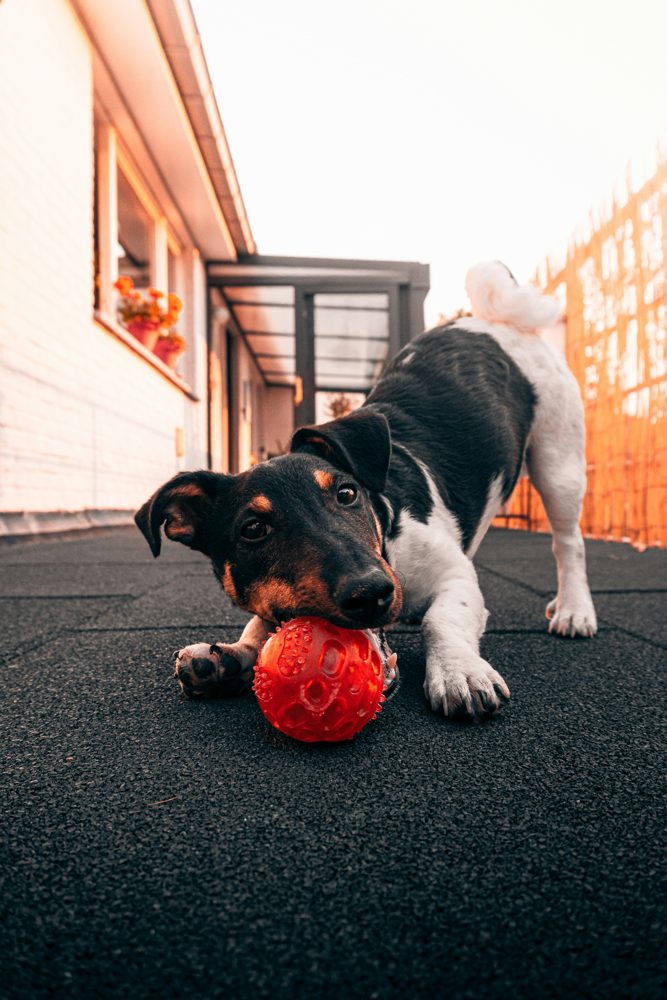
A treat ball dispenses kibble as it rolls. It turns mealtime into a game. It works best on a hard floor, and may be noisy.
Choosing materials
Look for food-safe plastic, silicone or stainless steel. Check the product is sturdy enough for your pet's size and chewing habits.
Cleaning
Grooves and nooks trap food, so wash them daily. Dishwasher-safe items make it easier. A bottle brush helps with tight spaces.
Tips
- Put out only the daily portion.
- Supervise a pet with a new feeder.
- Do not use a puzzle feeder for pets that guard food, in a multi-pet home. Feed them separately.
- Take away toys that are chewed up.
Cats
Cats may prefer a shallow, wide dish with low obstacles, as deep bowls can touch their whiskers.