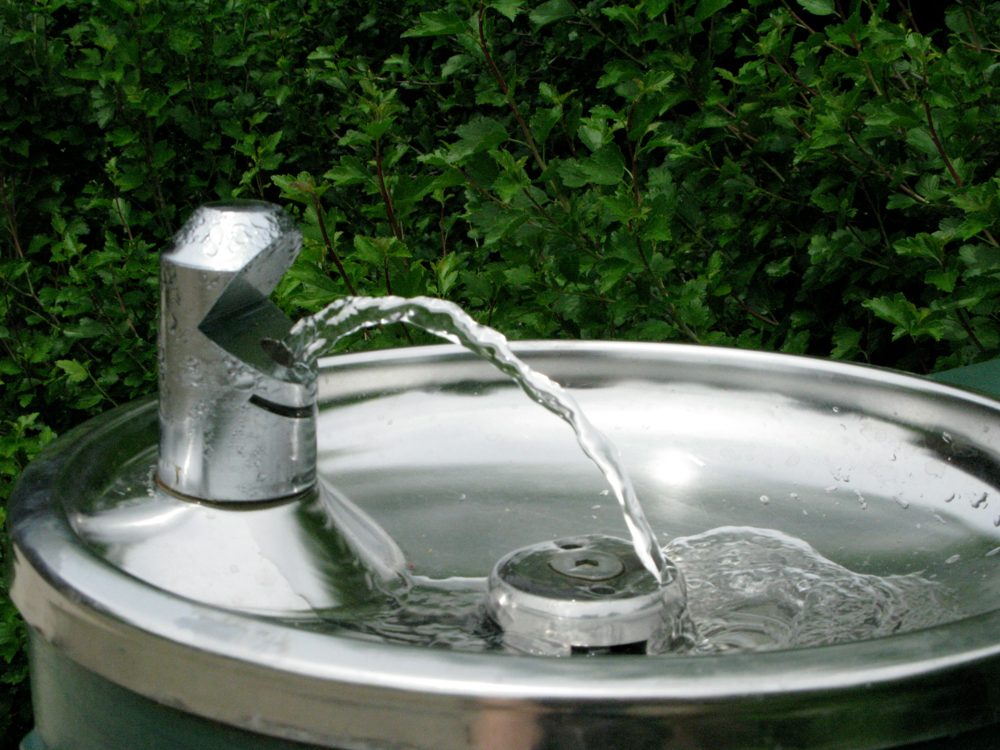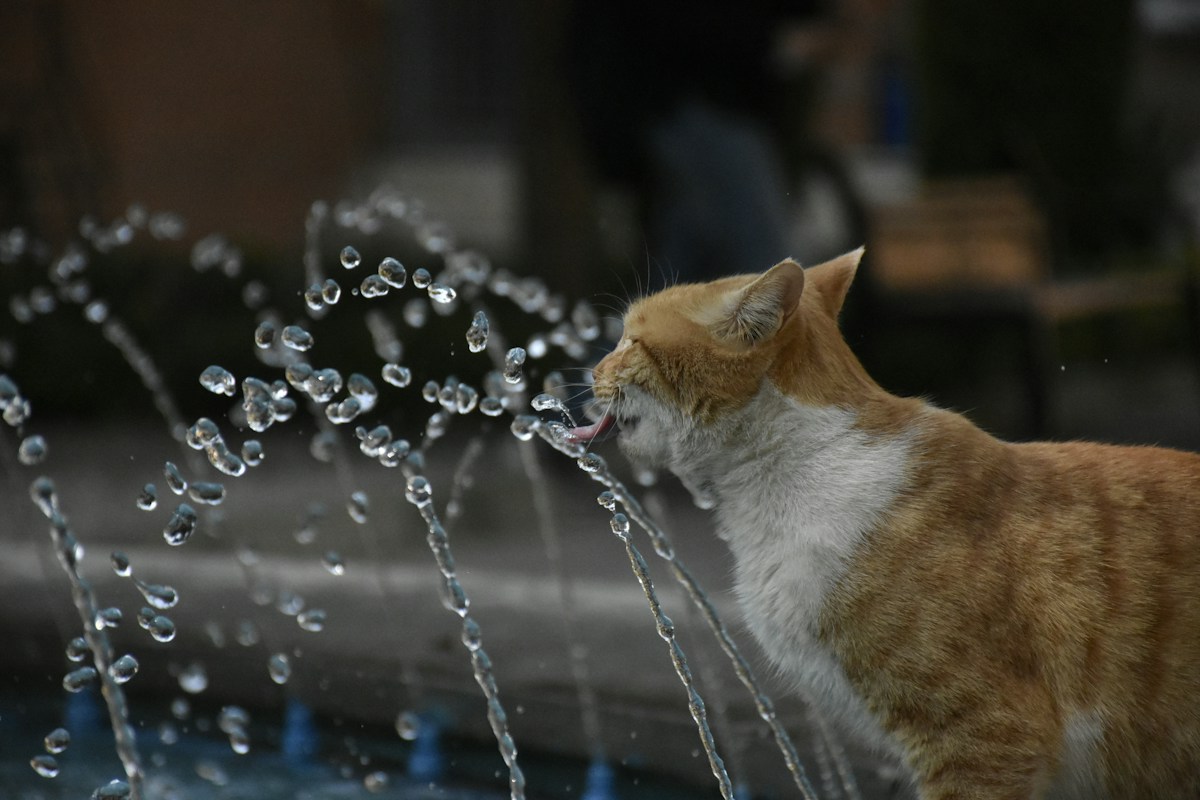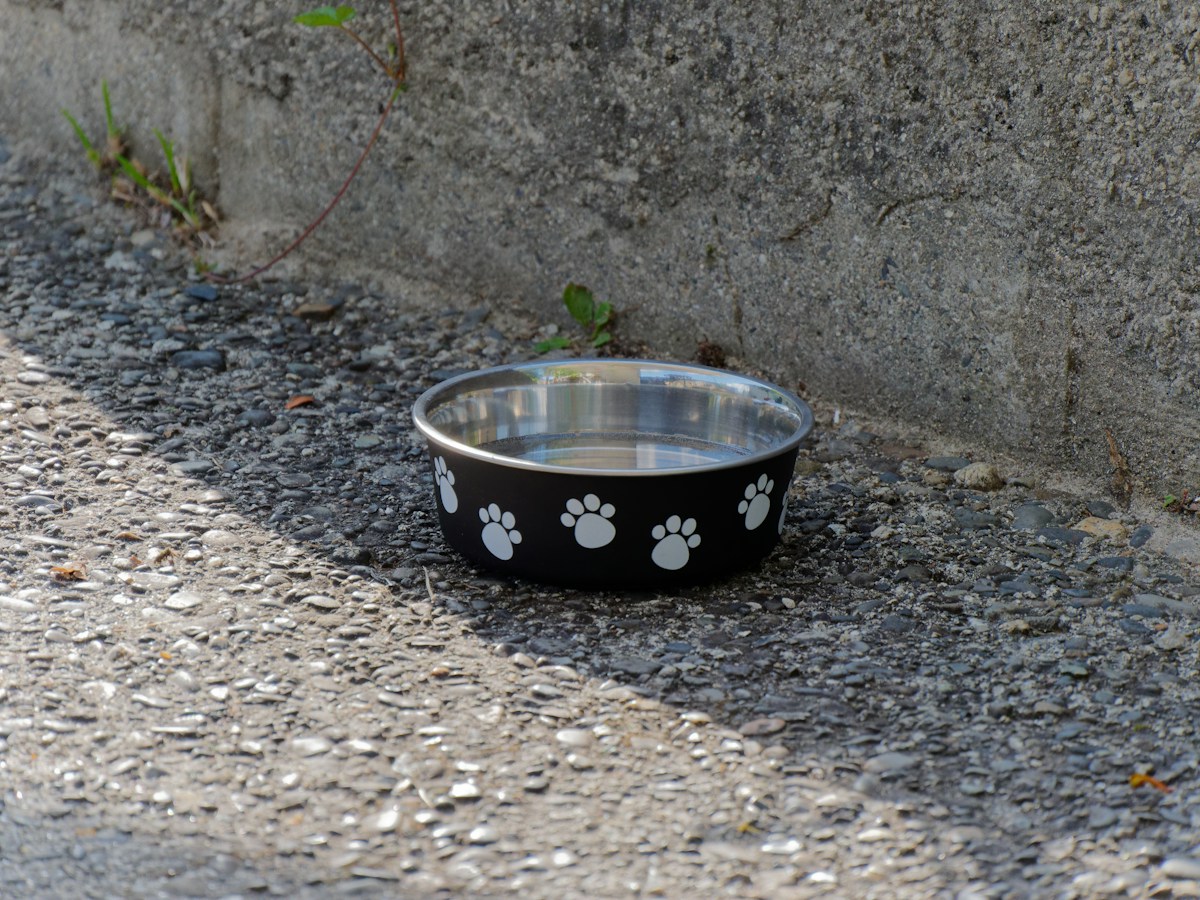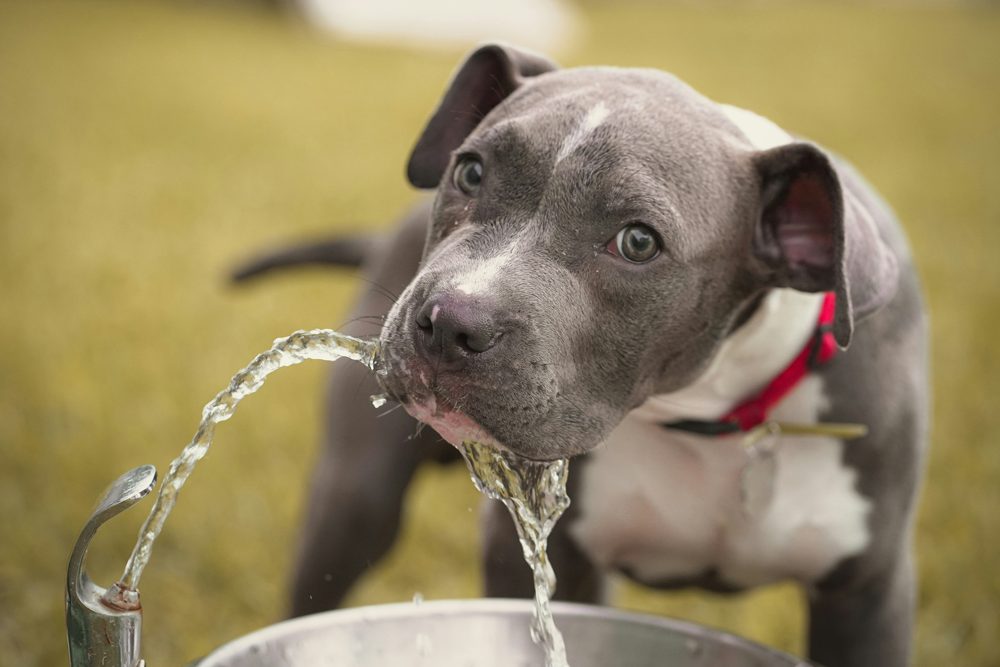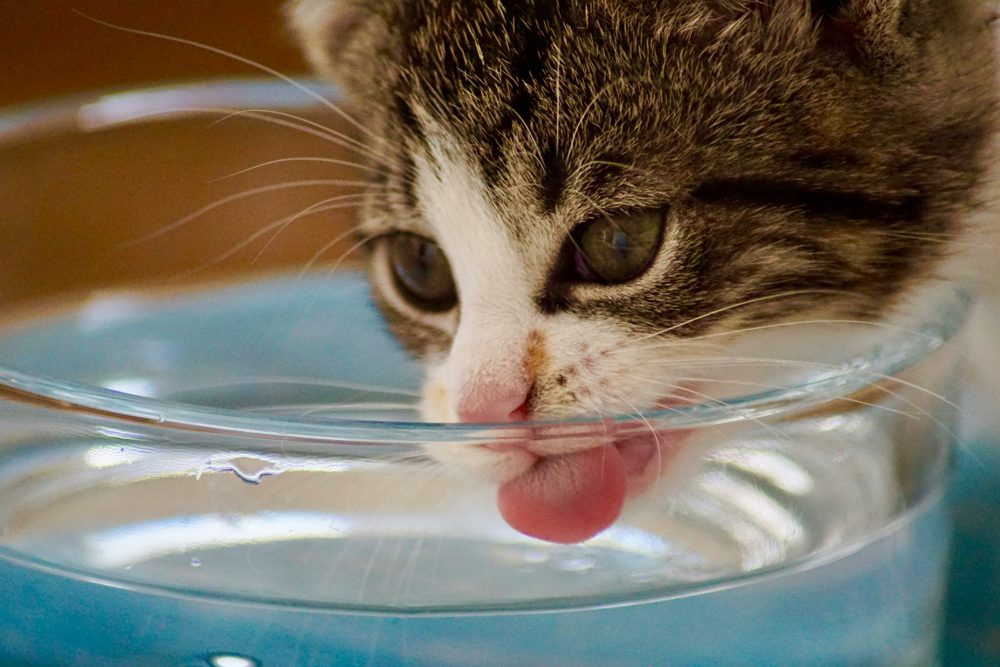
Some pets seem to prefer running water, and a fountain can encourage them to drink. Fountains are not a necessity, though. This guide explains how they work, the materials to choose, and the cleaning they need.
How they work
A small pump circulates water through a filter and a spout or a stream. The moving water stays aerated, which some pets find appealing. Cats in particular are known for being drawn to flowing water, though not every cat is.
Materials
- Stainless steel is hygienic, durable and easy to clean.
- Ceramic is heavy and stable, and does not scratch easily.
- Plastic is light and inexpensive, but can scratch and hold bacteria in the grooves. If you choose plastic, look for BPA-free material.
What to check
- Capacity: a larger reservoir means less refilling.
- Noise: listen for the pump level in reviews, since a loud pump may put some pets off.
- Filter: check how often it needs replacing and the cost.
- Power: most are plugged in, so check the cord length and keep it out of chewing reach.
- Parts: fewer parts make cleaning simpler.
Cleaning
A fountain needs more cleaning than a bowl. Empty it, wash all the parts and clean the pump about once a week, or as the maker says. Replace filters on schedule. Biofilm builds up if neglected.
Keep the water level up
The pump can run dry and burn out. Check the level daily.
Introduce it
Place it near the old bowl at first, and keep both available. Be patient while your pet gets used to it.
When a bowl is enough
A ceramic or steel bowl, washed and refilled daily, works well for many pets.
Watch your pet's drinking
If your pet suddenly drinks much more or less than usual, contact your veterinarian.
On the go
A travel bowl or bottle is handy for walks.