A walk is only part of a dog's day. Mental exercise helps tire a dog out, and it is useful on rainy days and for dogs that get bored. Interactive toys make this easy. Here are the main types and how to use them well.
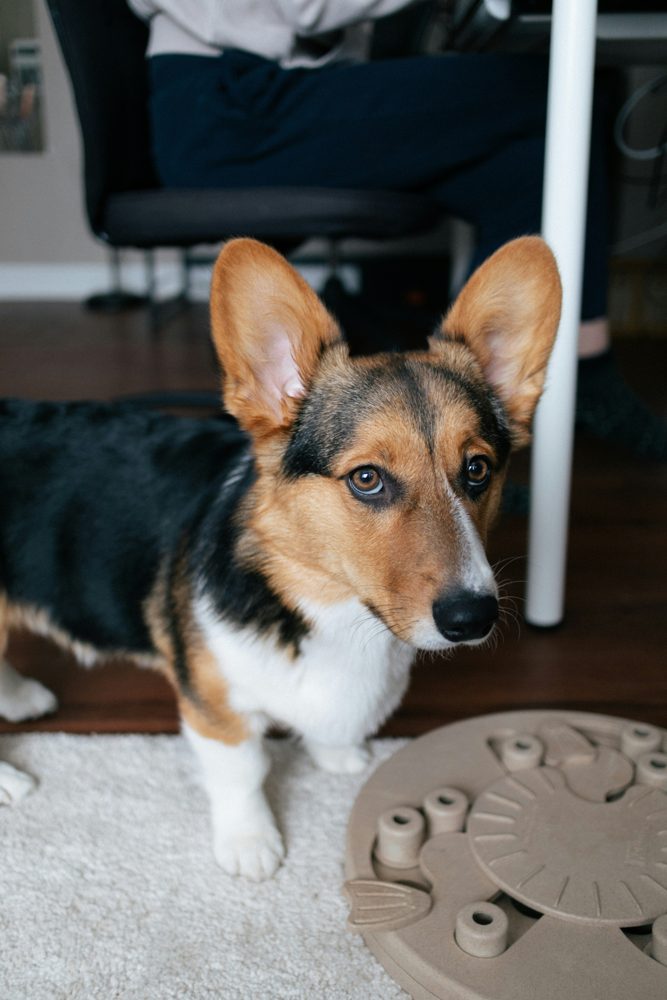
Treat puzzle toys
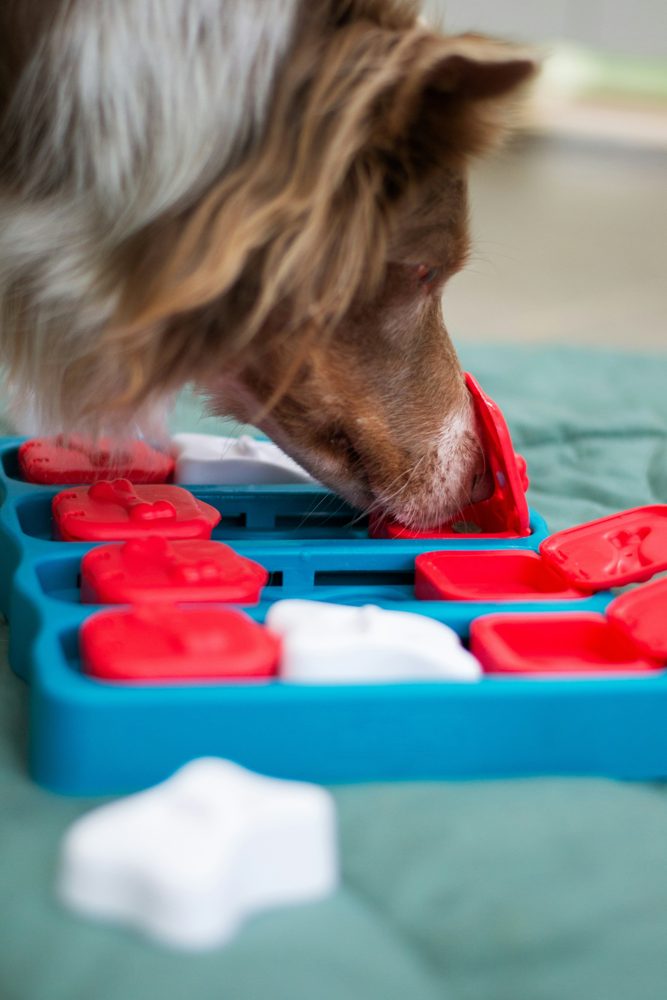
These toys hide treats that a dog must work out how to get, by sliding, lifting or rolling. Start with an easy level so your dog succeeds, and then move up. Food-motivated dogs usually take to them quickly.
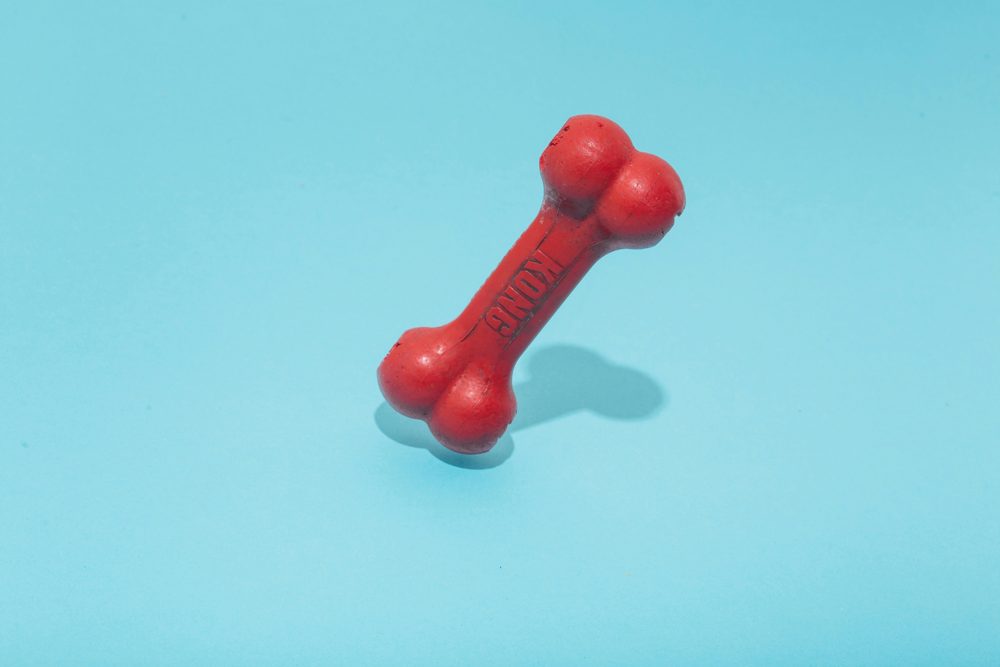
Fillable rubber toys
A hollow rubber toy can hold kibble, a spoonful of food or a soft treat. Freezing it makes it last longer. Choose a durable toy for heavy chewers.
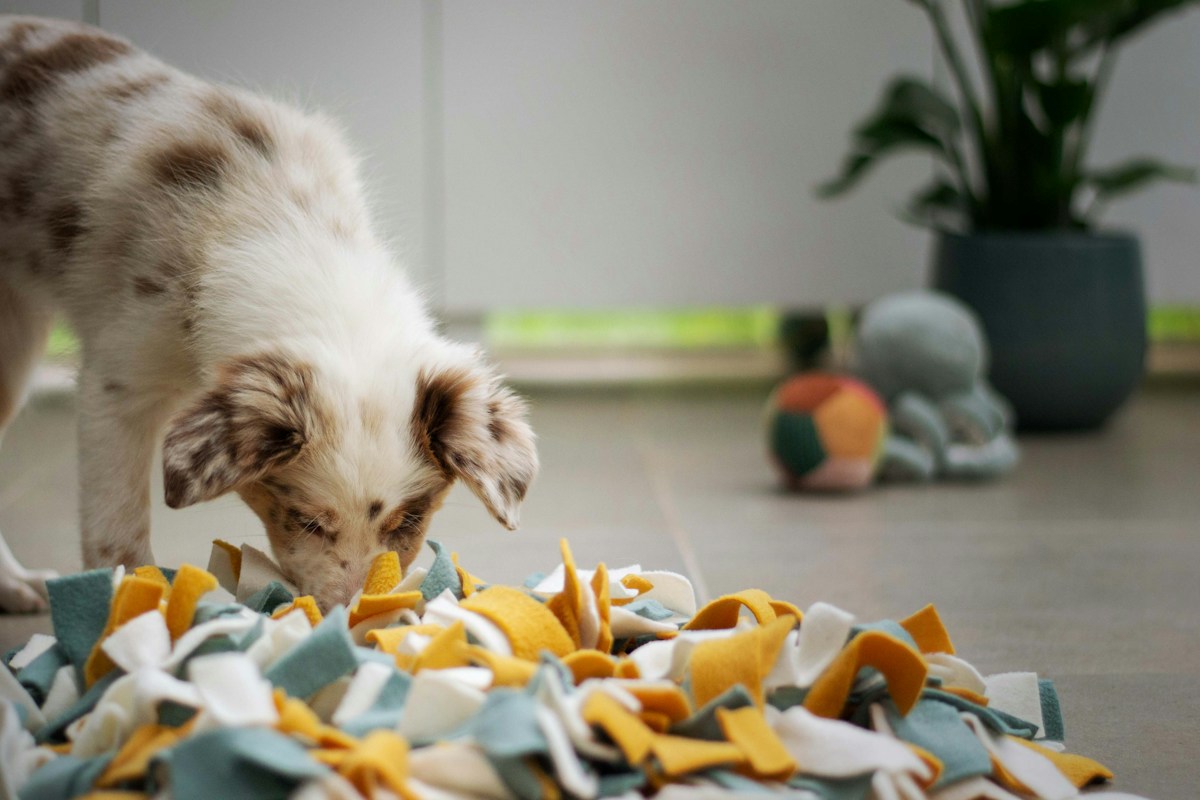
Snuffle mats
A snuffle mat is a piece of fabric strips in which you scatter food. The dog has to sniff it out. It encourages slow eating and uses their sense of smell, which many dogs love. Supervise, and wash the mat regularly.
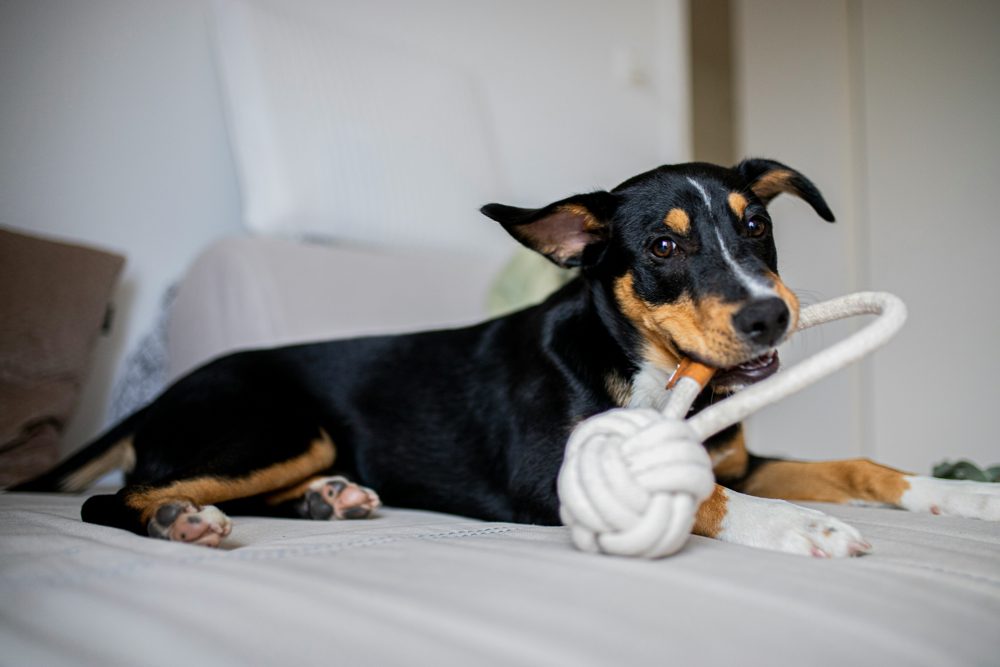
Tug and rope toys
Tug games are good exercise and strengthen the bond with you. Keep to simple rules: your dog lets go when asked, and the game ends if teeth touch your hands. Replace frayed rope.
Lick mats
A lick mat spread with a soft food calms many dogs. It is useful when you need your dog to settle.
How to use them
- Use a part of the daily food, so calories stay under control.
- Supervise new toys.
- Rotate toys so they stay interesting.
- Pick up toys when you are done.
Match the toy to your dog
A small dog needs a small toy. A strong chewer needs a tough one. Avoid toys with small parts that could be swallowed.
Combine with walks
Mental exercise does not replace physical exercise, but together they help a dog settle.