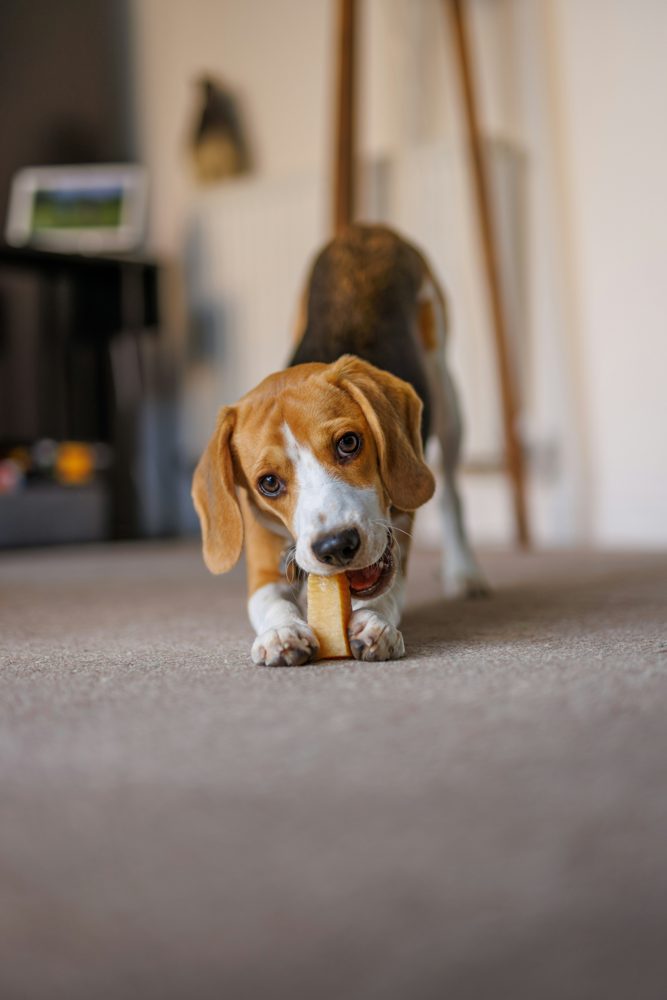
Chewing is a natural way for dogs to relax and burn energy. A suitable chew toy can save your shoes, but a poor choice can break, get swallowed or be too hard. Here is how to match a toy to your dog and use it safely.
Match the size
A toy should be large enough that your dog cannot swallow it or fit it far back in the mouth. A toy that suits a terrier may be dangerous for a large dog. When in doubt, choose the bigger size.
Match the chewing style
Gentle chewers do well with softer rubber and plush toys. Heavy chewers need tough rubber toys labeled for strong chewers. If a toy breaks into pieces, take it away.
Materials
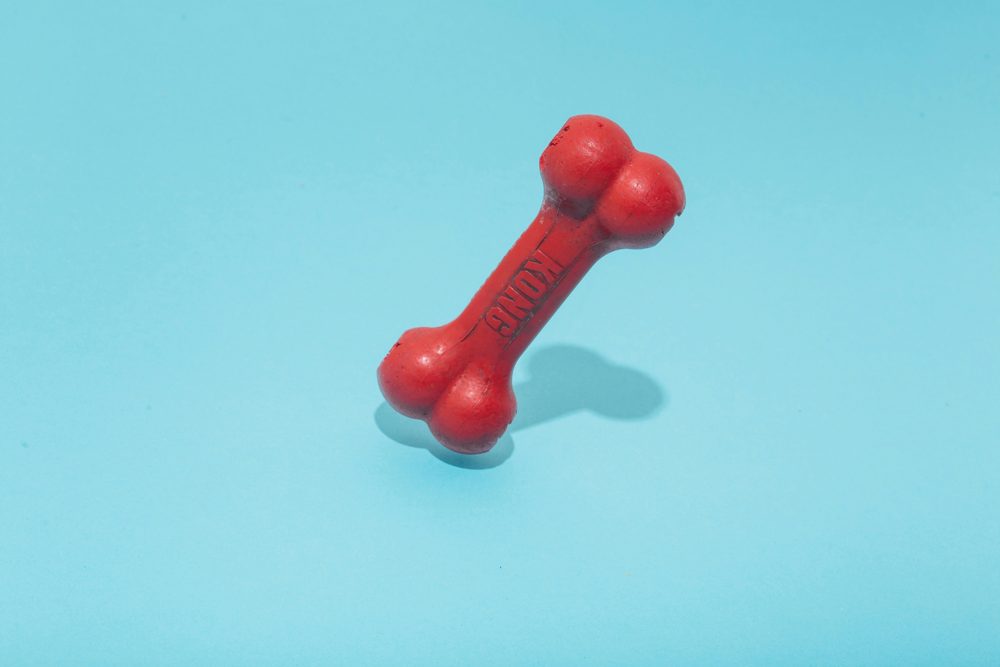
- Rubber toys are durable and often hollow, so you can fill them with food.
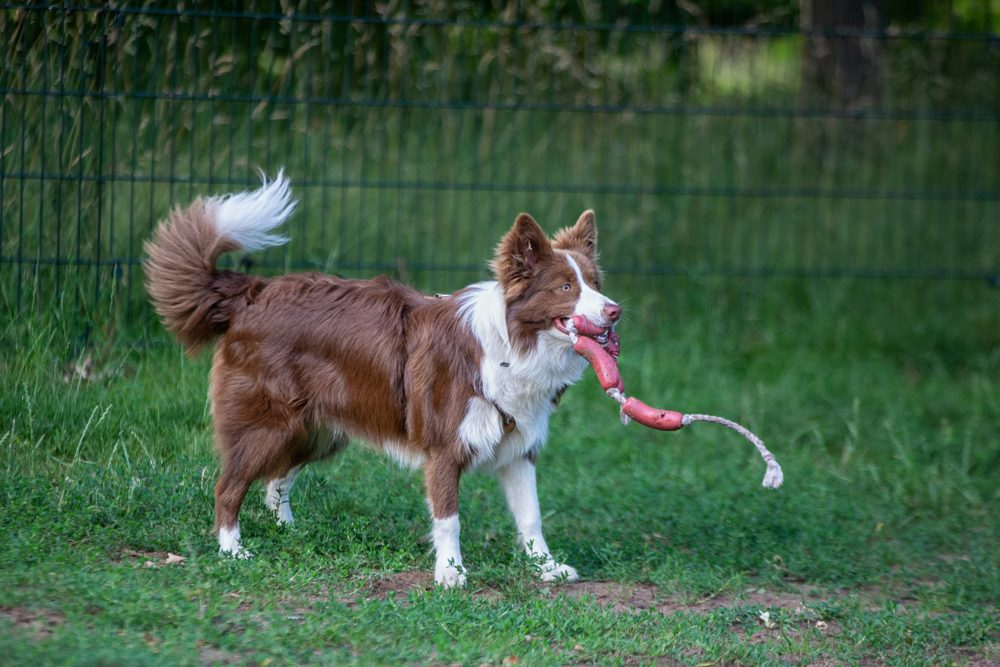
- Rope toys suit tug games, but loose strands can be swallowed, so take them away when frayed.
- Nylon chews are firm, and they can wear into small pieces.
- Puppy toys are softer, designed for teething.
Avoid very hard items, such as real bones, antlers and hooves, which some owners and veterinarians link to broken teeth. Cooked bones can splinter.
Fillable toys
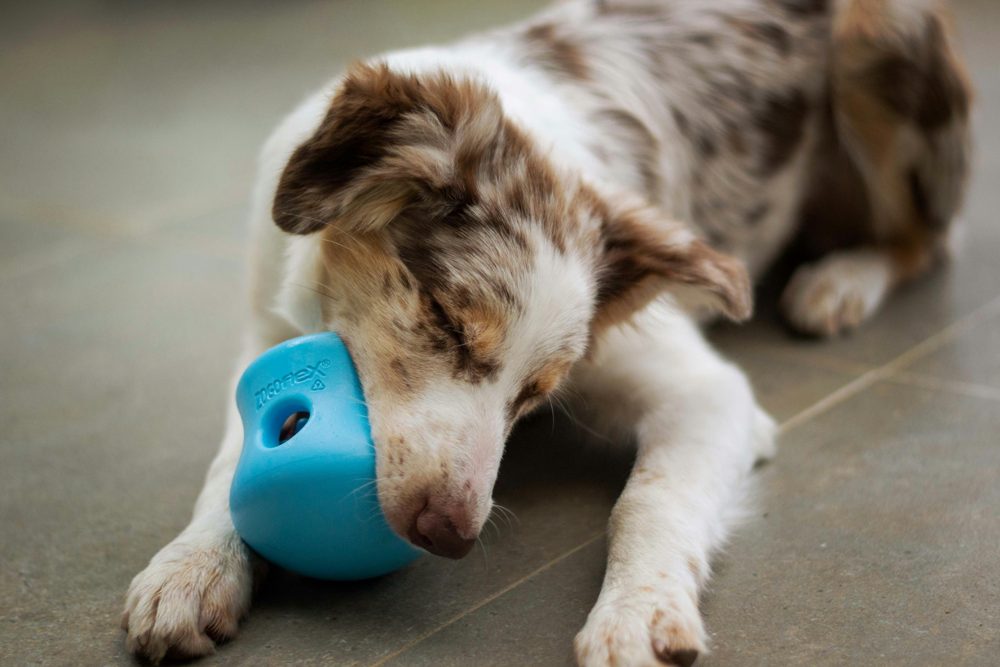
A stuffed rubber toy can keep a dog busy for a while. Freezing the filling makes it last longer. Count the treats as part of the daily food.
Supervise
Watch your dog with any new toy. Check toys regularly and throw away those with cracks, loose pieces or sharp edges. Take the toy away if your dog starts to swallow chunks.
Puppies
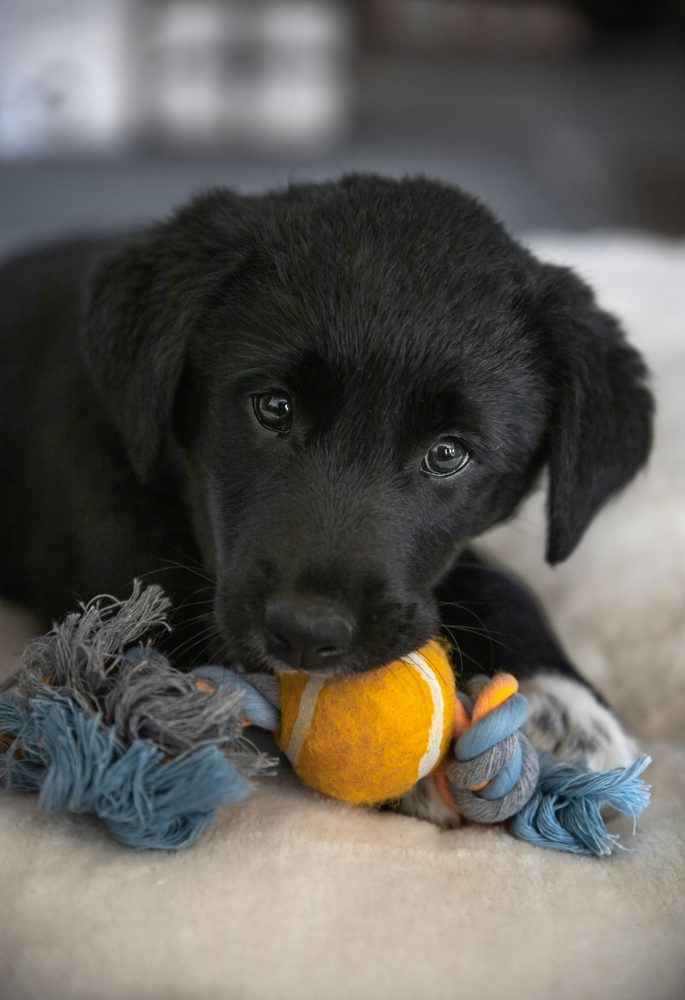
Puppies explore with their mouths. Offer several textures, and swap toys to avoid boredom.
Rotate
Keeping a few toys out and swapping them keeps interest high.
Wash
Rubber toys can be washed in warm soapy water. Dishwasher-safe ones are easy to keep clean.