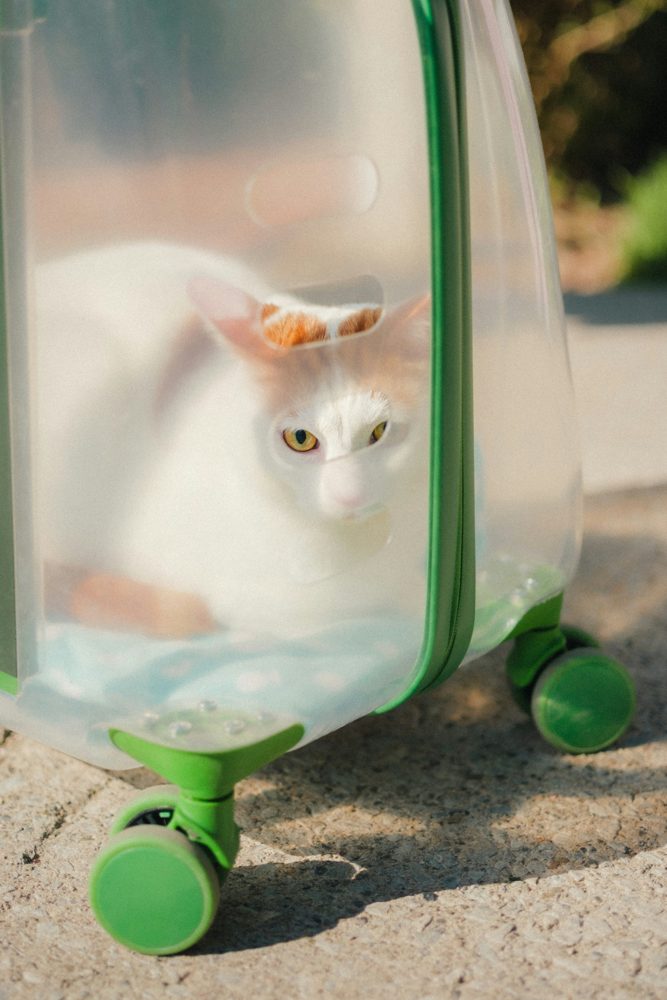
For most cats, the carrier means a trip to the vet, so it helps to make it a place they accept. The right carrier is secure, easy to load and comfortable to carry. Here is how to compare the main types.
Hard-sided carriers
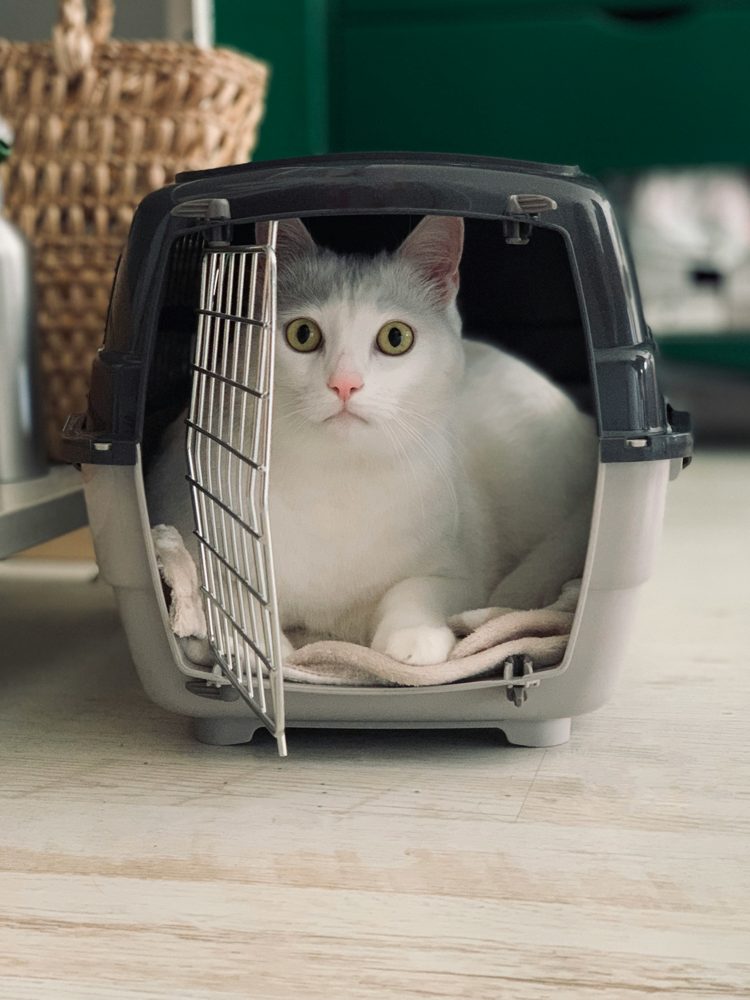
Hard carriers are sturdy and easy to clean. A top-loading model with a removable lid is helpful for nervous cats, because you can lower your cat in instead of pushing them through a door. They are bulkier to store, but many pull apart into two halves.
Soft-sided carriers
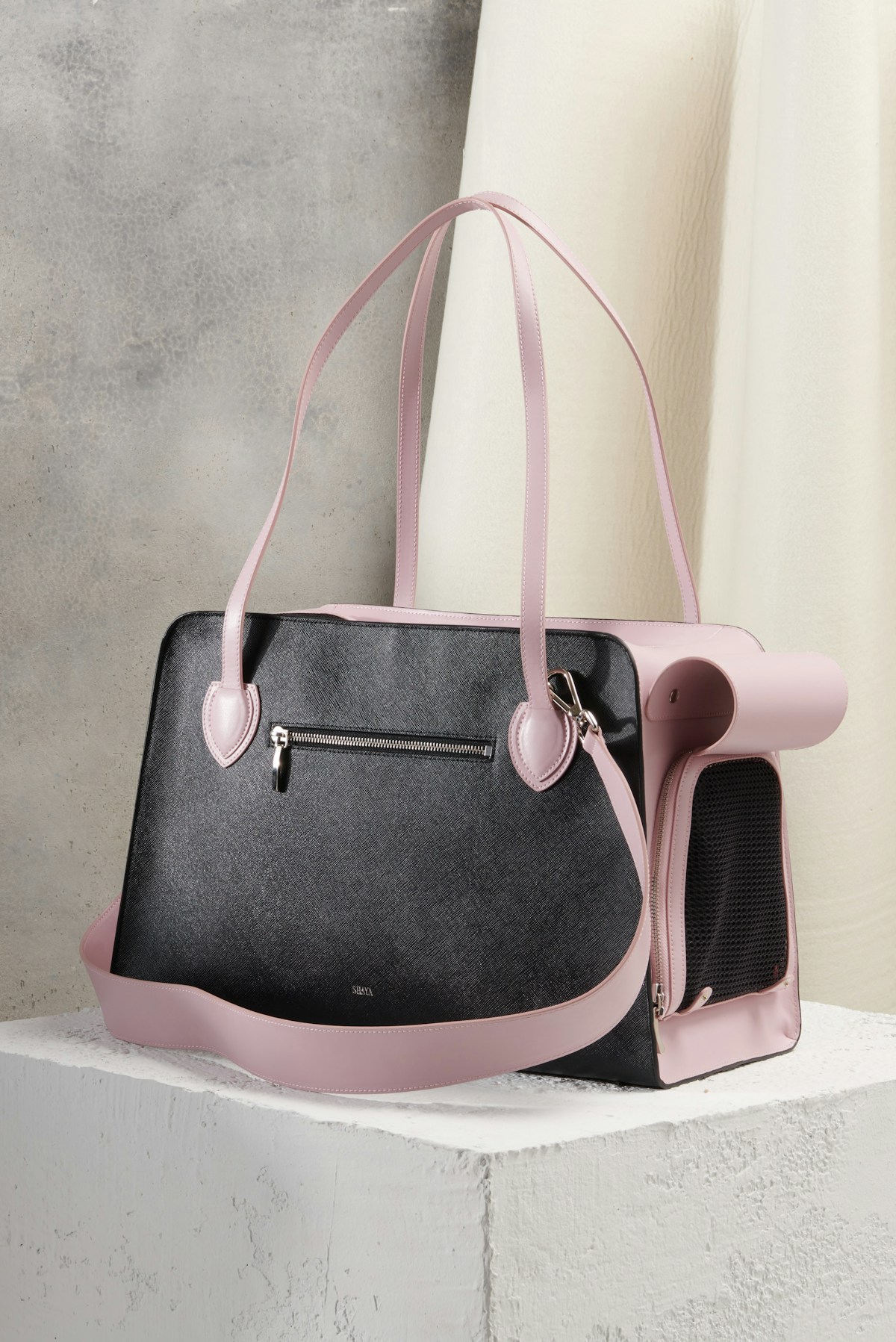
Soft carriers are light and flexible, and often come with a shoulder strap. They suit small, calm cats and short trips. Check that the zippers lock and the frame keeps its shape.
Backpack carriers
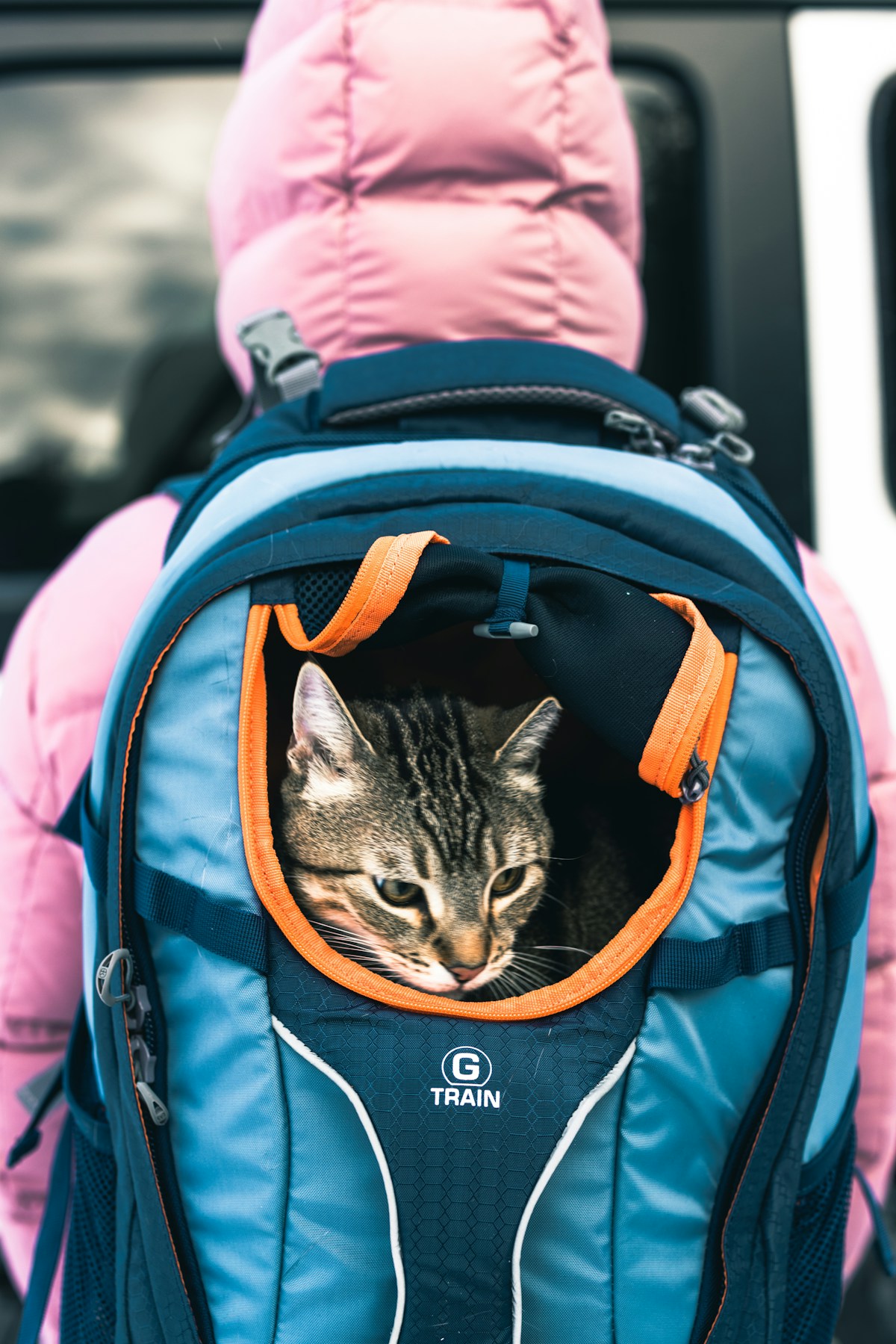
A backpack carrier leaves your hands free. Make sure it is ventilated, padded and stiff enough that your cat cannot be squashed. They are better for short walks than for long journeys.
What to check
- Size: your cat should be able to stand up, turn around and lie down.
- Ventilation: look for mesh on several sides.
- Security: latches and zippers should be hard to open from the inside.
- Cleaning: a removable, washable liner helps.
- Airline rules: if you will fly, check the airline's size limits.
Make the carrier familiar
Leave the carrier out at home with the door open. Put a blanket and a few treats inside, and let your cat explore. A familiar scent helps, so use a blanket that smells like home. Pheromone sprays are sold for this purpose, but results vary.
In the car
Place the carrier on the floor behind a seat, or secure it with a seat belt. Do not leave it loose. Cover it with a light cloth to reduce visual stress.
After the trip
Wipe the carrier, air it out and put it back in its place with the door open.