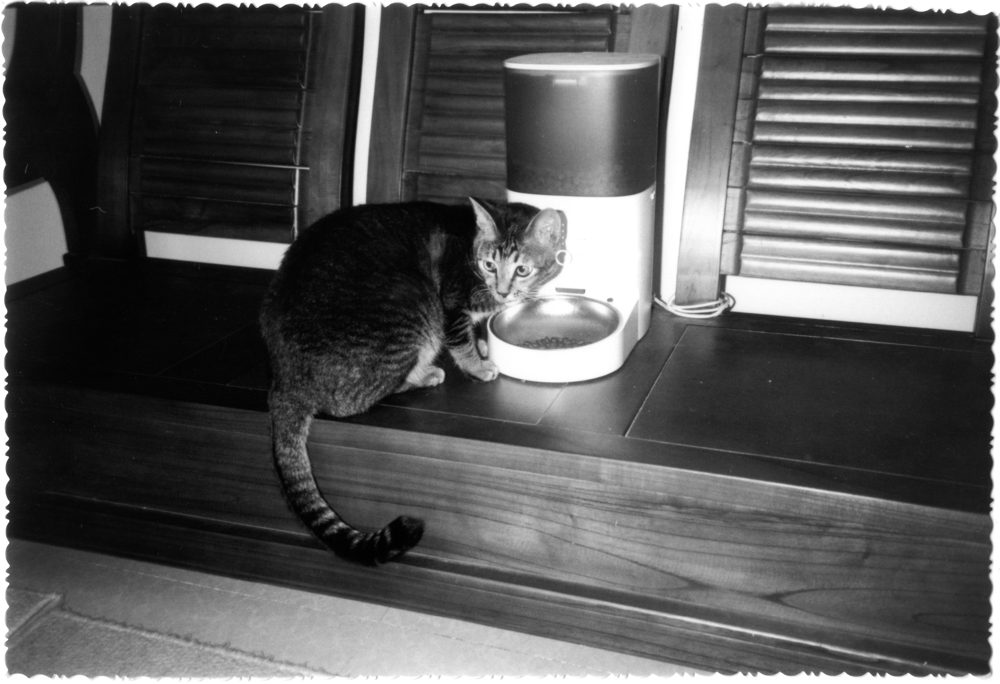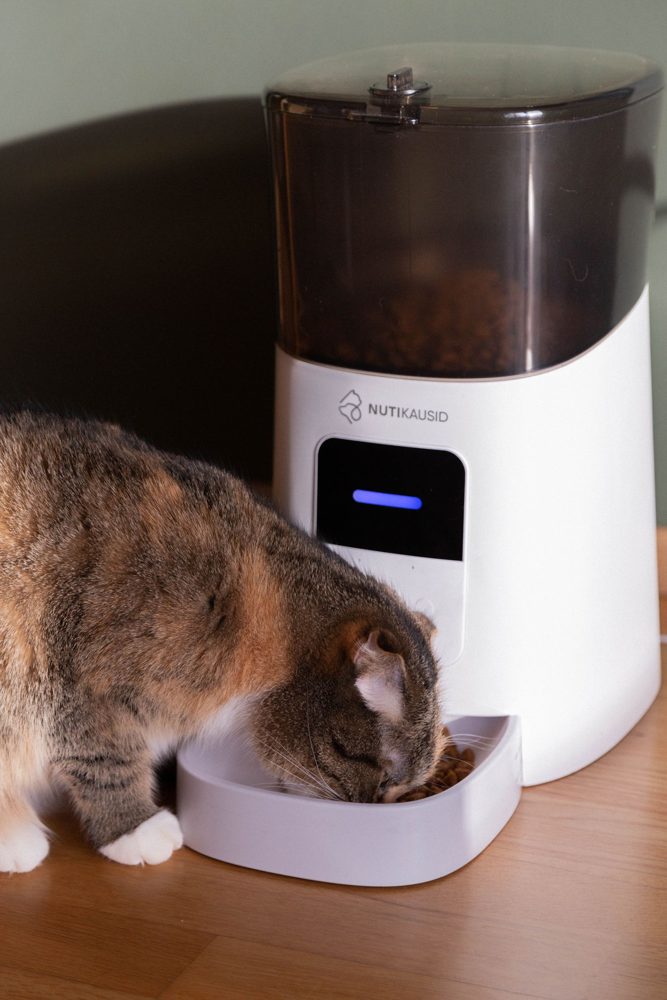
A timed feeder can help when your schedule is unpredictable, and the right bowl makes every meal easier. This guide explains the main feeder types, what to check, and how to set mealtimes up so they work for you and your pet. Always follow your veterinarian's advice on how much and how often to feed.
How timed feeders work
A timed feeder holds dry food and releases a set portion at the times you choose. Simple models use a dial, and others have a digital timer or a phone app. Most work only with dry kibble, so wet food needs a different solution.
What to check
- Capacity: make sure the hopper holds enough for the days you will be away.
- Portion control: look for small steps, so you can set the right amount.
- Power: a feeder with battery backup keeps working during an outage.
- Cleaning: removable parts that go in the dishwasher save time.
- Jam resistance: some kibble shapes get stuck, so check which sizes the feeder supports.
Keep pets from raiding it
A clever pet may try to tip or break into a feeder. Choose a heavy base, a locked lid and a spot where it cannot be knocked over. Never rely on a feeder as the only source of food for a long trip, and ask someone to check on your pet.
Introduce it slowly
Let your pet see and sniff the feeder before you use it. Run a few test cycles while you are at home, so your pet learns that the sound means food. Keep the usual bowl in place at first.
Choosing everyday bowls
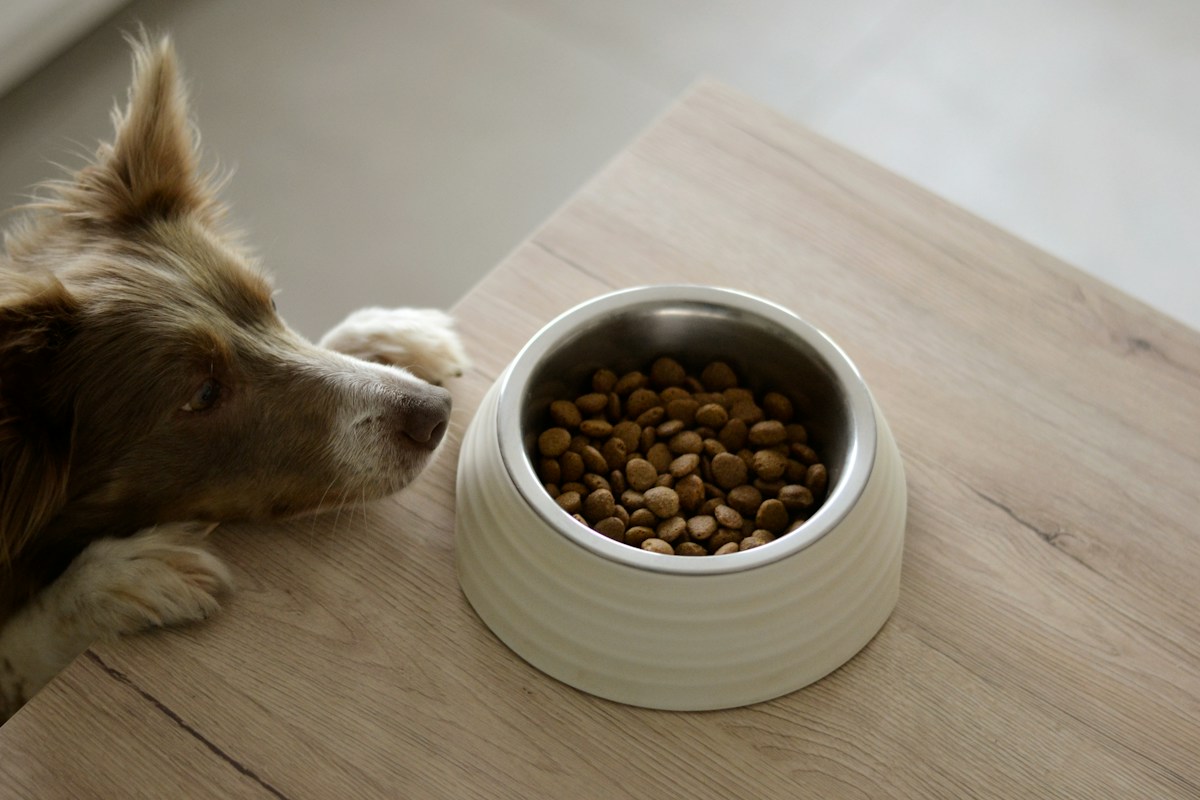
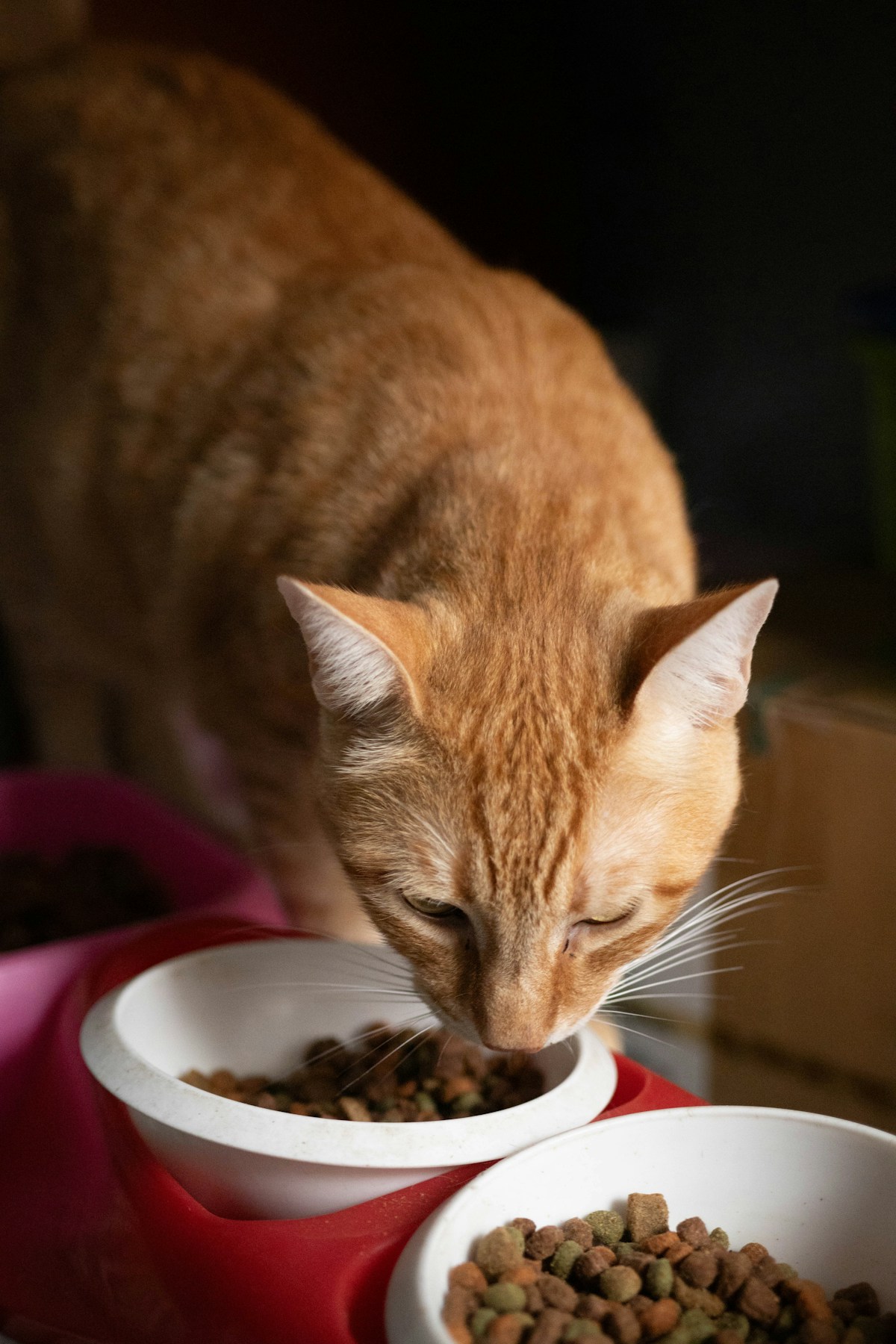
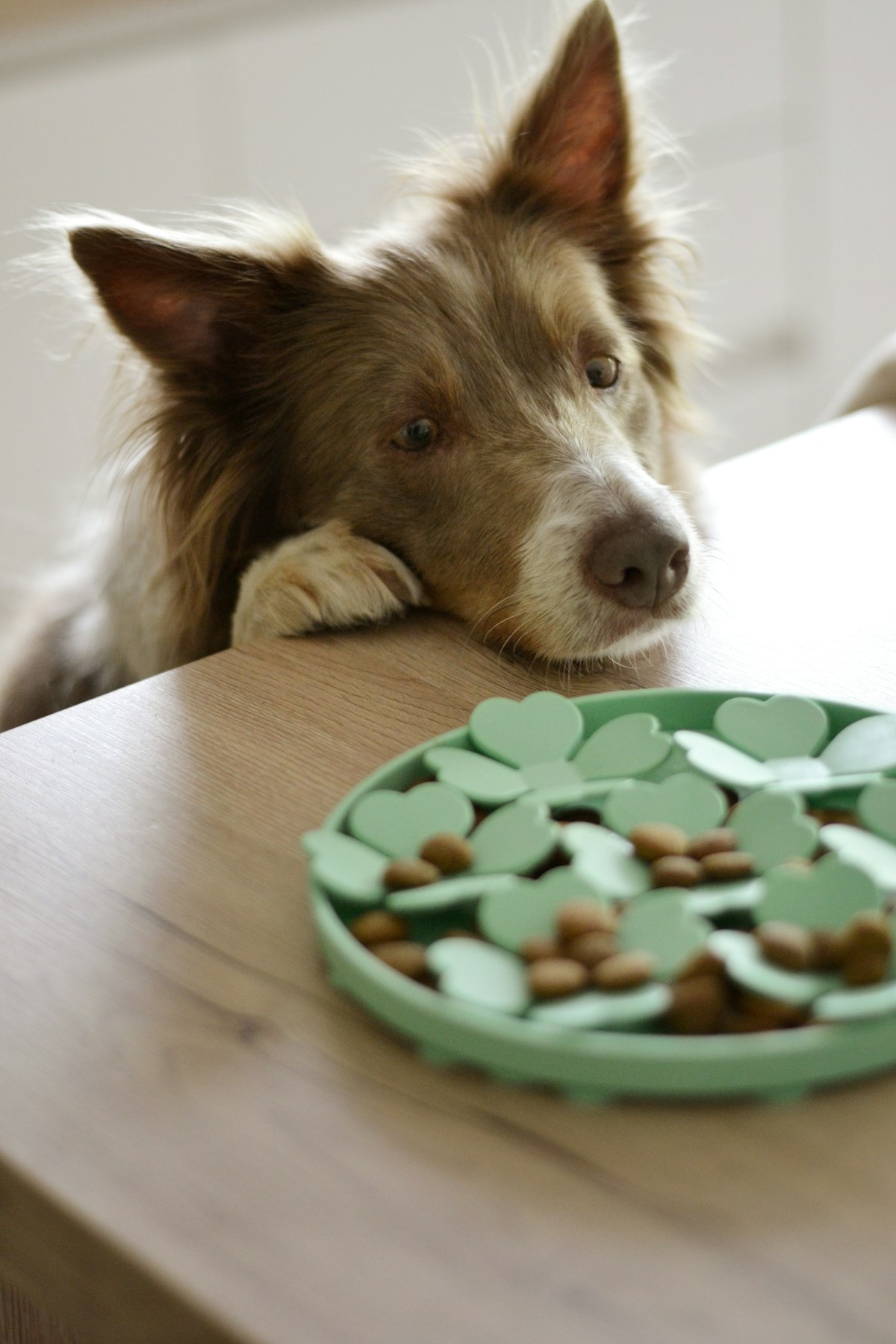
Stainless steel and ceramic are easy to clean and do not hold smells as plastic can. A wide, shallow bowl suits cats that dislike their whiskers touching the sides. A raised bowl can be a comfortable height for taller dogs. A non-slip base or a mat stops the bowl from sliding.
Wash regularly
Wash food bowls daily with warm soapy water, and clean the feeder hopper often. Old food residue can spoil.